Direct Booking's 2026 Triumph for Boutique Hotels
In the fiercely competitive world of hospitality, every percentage point of margin matters. For boutique hotels especially, the perennial dance with Online Travel Agencies (OTAs) often feels less like a tango and more like a shakedown. But as we navigate 2026, the pendulum is swinging. The savvy independent property isn't just dreaming of winning back their margins; they're actively doing it. The secret weapon? A robust, focused direct booking strategy.
For too long, the narrative has been that OTAs are a necessary evil, a non-negotiable gateway to visibility. While they certainly offer reach, that reach comes at a staggering cost. The good news is, in 2026, boutique hotels have more power than ever to reclaim their guest relationships and, crucially, their bottom line.
What are OTA Commission Rates in 2026? Real Commission Math Unpacked
Let’s cut straight to the chase: the cost of doing business with OTAs remains stubbornly high. While rates can vary by market, property type, and negotiated terms, typical commission structures haven't seen a dramatic decrease. For major players like Booking.com and Expedia, hoteliers can generally expect to fork over anywhere from 15% to 25% of their Average Daily Rate (ADR) per booking. Some niche OTAs or specific promotions might even push higher.
Consider a boutique hotel with an ADR of $350. If 50% of your bookings come through OTAs at an average commission rate of 18%, that’s $63 per room night vanishing from your revenue before the guest even checks in. Over a year, for a 50-room hotel with 70% occupancy, that's potentially hundreds of thousands of dollars paid out in commissions. This isn't just theoretical; it's real money that could be reinvested into your property, staff, or direct marketing efforts. Think about it: that 18% isn't just a number, it's a new mattress for half your rooms, or a significant upgrade to your guest experience technology.
The alternative, direct booking, while not entirely free, carries a significantly lower overhead. Your costs primarily include your website hosting, booking engine fees (often a fixed monthly fee or a much smaller, single-digit percentage per transaction), and your direct marketing spend (SEO, SEM, social media, email). When these elements are managed efficiently, the net revenue per direct booking almost always outstrips an OTA booking by a comfortable margin.
Why Is Direct Booking Better for Independent Hotels? Beyond Just Commissions
The financial argument against OTAs is compelling, but the benefits of direct booking extend far beyond simply saving on commissions. For independent and boutique properties, direct bookings are a strategic imperative for long-term success:
- Guest Ownership & Data: When a guest books direct, their data is yours. This isn't just about email addresses; it's about understanding preferences, booking patterns, and creating a truly personalized experience. OTAs typically guard this data, leaving you in the dark.
- Enhanced Guest Relationships & Loyalty: The direct relationship starts at the moment of booking. You can communicate directly, upsell unique experiences, and begin building loyalty even before arrival. This fosters repeat business and turns guests into brand advocates. A strong loyalty program, impossible to truly manage via OTAs, thrives on direct engagement.
- Brand Building & Identity: Your website is an extension of your hotel's personality and story. It’s where you can showcase your unique charm, local connections, and bespoke offerings without being confined by the templated rigidity of an OTA page.
- Flexibility & Control: You have complete control over your pricing, promotions, and inventory. Need to offer a last-minute package for a local event? Want to bundle a spa treatment with a room night? Direct channels give you the agility to react to market changes and craft unique value propositions.
- Reduced Churn & Better Experience: Direct guests often have higher satisfaction levels because their expectations are set directly by your brand. They're less likely to cancel because they've chosen you specifically, not just the cheapest option on a list.
How Can Boutique Hotels Increase Direct Bookings? Strategies for Winning Back Margins
Winning the direct booking battle isn't about shunning OTAs entirely (they still have a role for some incremental reach), but about strategically shifting the balance. Here's how independent properties are doing it in 2026:
- A World-Class, Mobile-First Website: Your website is your digital storefront. It must be visually stunning, easy to navigate, and, critically, lightning-fast on mobile. High-quality photography, virtual tours, and engaging content that tells your story are non-negotiable. If your site looks like it was built in 2006, guests will book elsewhere.
- Seamless, Integrated Booking Engine: The path from "I want to stay here" to "I've booked" must be frictionless. Your booking engine should be intuitive, secure, and offer clear pricing and availability. This is where a unified platform like Hospitality360 truly shines. Imagine your website, booking engine, and guest CRM all talking to each other, sharing data in real-time, and personalizing the booking journey. Hospitality360.net integrates these vital components, ensuring a cohesive and efficient experience for both you and your guests.
- Strategic SEO & SEM: Be findable! Invest in search engine optimization (SEO) to rank organically for relevant keywords (e.g., "boutique hotel [your city]", "luxury stay [your neighborhood]"). Supplement this with targeted search engine marketing (SEM) campaigns, bidding on your brand name and key phrases to intercept guests searching for you or similar properties.
- Robust Guest CRM & Email Marketing: This is your goldmine. Collect guest data, segment your audience, and send personalized, compelling email campaigns. Think pre-arrival guides, post-stay thank-yous, special offers for past guests, and birthday greetings. A well-executed email strategy can drive significant repeat business.
- Enticing Value Propositions & Loyalty Programs: Offer incentives that make direct booking more appealing. This could be a complimentary breakfast, a discount on a spa service, late checkout, or an exclusive room upgrade. A well-structured loyalty program that rewards direct bookings is a powerful tool for retention.
- Leverage Social Media & Content Marketing: Showcase your property's unique experiences on platforms like Instagram, TikTok, and Facebook. Engage with potential guests, run contests, and use compelling visuals to inspire direct bookings. Partner with local influencers to expand your reach.
- Dynamic Pricing & Yield Management: Use data to optimize your rates across all channels, ensuring you're always getting the best price for your rooms on your direct channels. This requires sophisticated tools, often part of an integrated ERP system.
The fragmented approach – a website from one vendor, a booking engine from another, a CRM from a third, and an accounting system that speaks to none of them – is a relic of the past. It creates data silos, inefficiencies, and ultimately, missed revenue opportunities. Imagine if your Point of Sale (POS) system knew what a direct booking guest preferred for breakfast, or if your accounting ERP could instantly reconcile direct booking revenue without manual input. This is the power of a vertically-integrated platform like Hospitality360. It’s not just about managing your property; it’s about optimizing every touchpoint and empowering you with actionable insights, often amplified by built-in AI capabilities.
Real-World Examples of Direct Booking Success
While specific properties often keep their direct booking "secrets" close, the trend is undeniable. Boutique hotel groups, like Small Luxury Hotels of the World (SLH), actively champion direct booking initiatives, providing members with tools and strategies to compete effectively against OTAs. Individual properties, from the charming The Citizen Hotel in Sacramento, California, to the serene The Scarlet Hotel in Cornwall, UK, consistently highlight exclusive direct booking benefits on their websites, understanding that the value proposition goes beyond just price. They focus on unique experiences, personalized service, and the intangible benefits of booking directly with the property that truly understands their guest.
These hotels aren't just selling rooms; they're selling experiences and relationships. And they're doing it by making their direct channels the most attractive, reliable, and rewarding option for their discerning guests.
In 2026, the smart money for boutique hotels is on owning the guest journey from click to checkout, turning commission costs into reinvestment opportunities, and building a loyal community around their unique brand.
Winning the direct booking battle means reclaiming your margins and future-proofing your independent property.
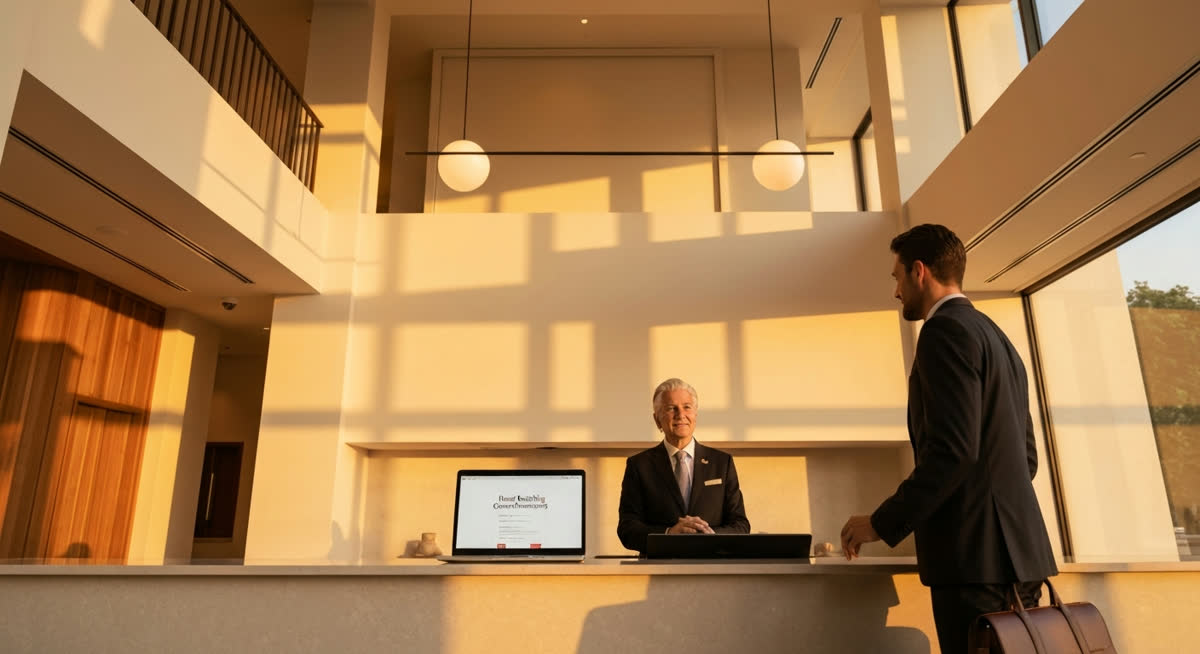
TITLE: Direct Booking's 2026 Triumph for Boutique Hotels SLUG: direct-booking-beats-otas-boutique-hotels-2026 META: Discover why direct booking for boutique hotels in 2026 isn't just a preference, but a profit imperative. Unpack real commission math and strategies. IMAGE_PROMPT: A chic, modern boutique hotel lobby with a friendly front desk agent greeting a guest, bathed in warm, inviting light. A laptop on the counter displays a direct booking confirmation page.See how Hospitality360 replaces Toast, OpenTable, SevenRooms and M3 with a single source of truth.
Explore the Platform