
Killing the No-Show: Protect Your Covers
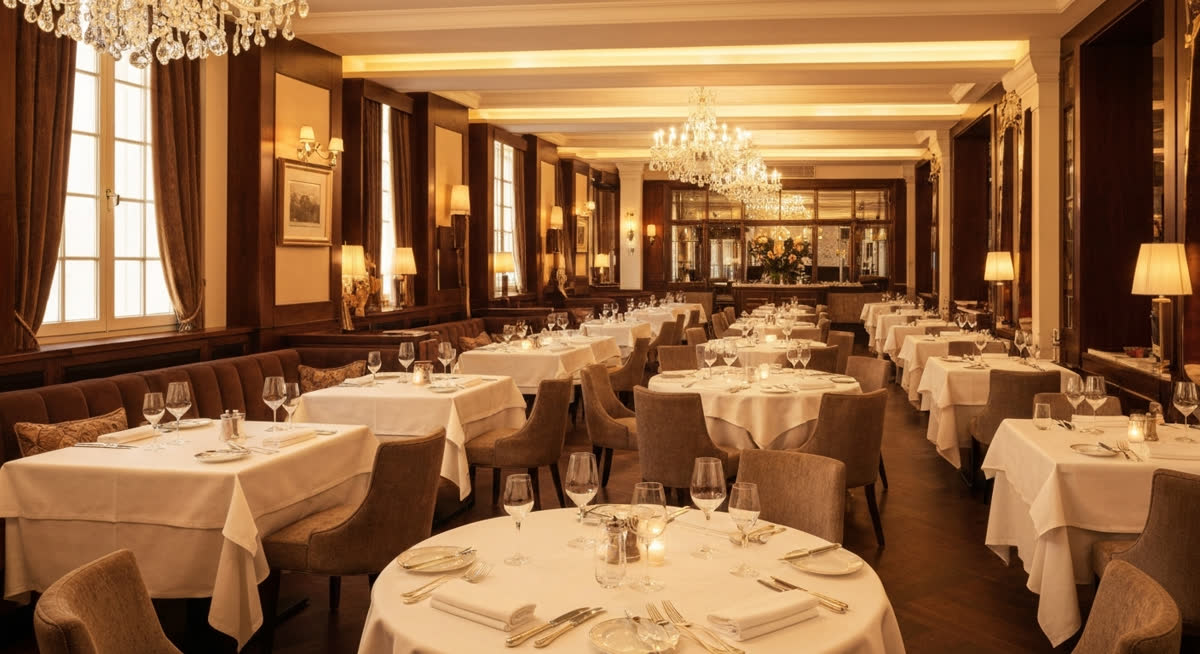
The dreaded no-show. It’s a phantom punch to your bottom line, a silent killer of covers that leaves beautifully set tables and meticulously prepped kitchens staring into the void. In an industry where razor-thin margins dictate survival, killing the no-show isn't just a goal; it's an imperative. We’re talking about more than just lost revenue for that single seat; it's wasted labor, spoiled ingredients, and the opportunity cost of turning away paying guests. But how do you implement policies like deposits and card-on-file without building a fortress around your establishment that scares off legitimate diners and travelers?
The answer, as with most things in luxury hospitality, lies in a strategic blend of technology, transparency, and tailored guest experience. It's about finding that sweet spot where you safeguard your business without sacrificing the warmth and welcome that defines your brand.
What is the financial impact of reservation no-shows?
Let's talk numbers, because that's where the pain really hits. A single no-show at a high-end restaurant can easily translate to hundreds of dollars in lost revenue, factoring in potential food and beverage spend. Multiply that by several tables a night, or multiple rooms for a hotel, and you're looking at significant losses. For restaurants, a 2023 survey by SevenRooms indicated that no-shows cost the industry billions annually, with the average restaurant losing between $2,000 and $3,000 per month due to no-shows and late cancellations. Hotels face similar challenges, especially with last-minute cancellations or guests simply not arriving, impacting occupancy rates and projected revenue.
The economic ripple effect extends beyond direct revenue. Consider the operational inefficiencies: staff scheduled for a full house working at half capacity, perishable goods expiring, and the frustration of your front-of-house team. This isn't just an inconvenience; it's a systemic drain on profitability.
How do deposits protect restaurant and hotel revenue?
Deposits are perhaps the most straightforward and effective deterrent against no-shows. By requiring guests to pay a portion of their anticipated bill upfront, you create a financial commitment that significantly reduces the likelihood of them simply not showing up. For restaurants, this might be a fixed per-person amount or the cost of a tasting menu. For hotels, it’s often the first night's stay or a percentage of the total booking.
The key here is clarity. Guests need to understand exactly what they're paying for, the cancellation policy, and how the deposit will be applied to their final bill. Transparency builds trust. Many luxury establishments, from Michelin-starred restaurants like The French Laundry to high-demand boutique hotels, have successfully implemented deposit systems. They communicate these policies clearly on their booking platforms and during the reservation process, ensuring guests are fully informed.
A unified platform like Hospitality360 makes managing deposits seamless. Imagine a system where your direct booking engine or restaurant reservation system is directly integrated with your accounting ERP. Deposits are automatically tracked, applied, and reconciled, eliminating manual errors and saving countless hours for your finance team. This isn't just about taking money; it's about intelligent financial management from a single source of truth.
What are the best practices for card-on-file reservation policies?
For situations where a full deposit might be too restrictive, or for certain types of reservations, requiring a credit card on file offers a robust middle-ground. This policy authorizes you to charge a cancellation fee in the event of a no-show or late cancellation. It's a psychological deterrent with a financial bite, ensuring guests think twice before flaking out.
Best practices for card-on-file policies include:
- Clear Communication: State your cancellation window and associated fees prominently during the booking process and in confirmation emails. No surprises.
- Reasonable Fees: The fee should reflect the actual cost of the no-show (e.g., average spend per person, or one night's room rate), not be punitive.
- Automated Reminders: Send automated reminders leading up to the reservation, giving guests an opportunity to confirm or cancel within the policy window.
- Secure Storage: Ensure your system is PCI DSS compliant for storing sensitive credit card information. This is non-negotiable. The PCI Security Standards Council provides comprehensive guidelines.
For luxury properties, the ability to securely store and utilize card-on-file data across your entire operation is a game-changer. With Hospitality360, the guest's payment information, securely tokenized, can be accessible from your POS, PMS, and reservation system. This not only facilitates no-show charges but also streamlines future bookings and payments, enhancing the guest experience rather than hindering it.
How can flexible reservation policies attract and retain guests?
This is where the art of hospitality meets the science of revenue protection. While deposits and card-on-file are essential, you don't want to alienate your most valued guests with overly rigid rules. The goal is to be firm but fair, and sometimes, flexible.
Tiered Policies for Different Guest Segments
Consider implementing tiered policies. For first-time guests or large groups, stricter deposit requirements might be appropriate. For loyal patrons or VIPs, a more lenient approach, perhaps just a card-on-file with a shorter cancellation window, could be offered. This personalization is a hallmark of luxury service.
Grace Periods and Waived Fees
Life happens. Sometimes, a genuine emergency prevents a guest from honoring a reservation. Having a protocol for waiving fees in exceptional circumstances, especially for repeat guests, demonstrates empathy and strengthens loyalty. A quick check of their guest history (easily accessible in a unified CRM) can inform these decisions, turning a potential negative into a positive brand interaction.
Reconfirmations and Waitlists
Automated reconfirmation emails or SMS messages 24-48 hours prior to a reservation can drastically reduce no-shows. If a guest cancels, a dynamic waitlist (integrated directly into your reservation system) can immediately notify waiting parties, filling those empty seats or rooms with minimal effort. This minimizes lost revenue and maximizes operational efficiency. OpenTable's waitlist features are a good example of effective implementation.
A unified platform truly shines here. When your reservation system, guest CRM, and even your hotel website with direct booking capabilities are all talking to each other, you gain an unprecedented view of your guest. You can identify your most valuable customers, track their no-show history (or lack thereof), and tailor policies accordingly. This isn't possible when you're piecing together data from six different vendors, each with its own siloed information.
Addressing Guest Concerns: Communication is Key
The primary fear with deposits and card-on-file is that guests will feel distrusted or inconvenienced. Combat this with crystal-clear communication that frames these policies not as punitive measures, but as a commitment to a premium experience.
- "To ensure an exceptional dining experience..."
- "Due to the high demand for our exclusive accommodations..."
- "These policies allow us to uphold our commitment to fresh, locally sourced ingredients and dedicated service."
Explain why these policies are in place. Educate your guests. Most understand the challenges businesses face, especially when presented with respect and transparency. Many will appreciate that these policies help ensure that tables and rooms are available for those who genuinely intend to use them, thereby enhancing the overall guest experience. Restaurant Business Online often covers industry responses to no-shows.
The future of hospitality demands a sophisticated approach to revenue protection. By embracing intelligent deposit and card-on-file policies, supported by a robust, unified technology platform like Hospitality360, you can effectively kill the no-show without ever killing the spirit of hospitality. It's about protecting your covers, securing your revenue, and ultimately, delivering the seamless, luxury experience your guests expect.
Embrace smart policies and unified tech to turn the tide against no-shows, ensuring every reservation translates into a valued guest experience and a protected bottom line.
See how Hospitality360 replaces Toast, OpenTable, SevenRooms and M3 with a single source of truth.
Explore the Platform